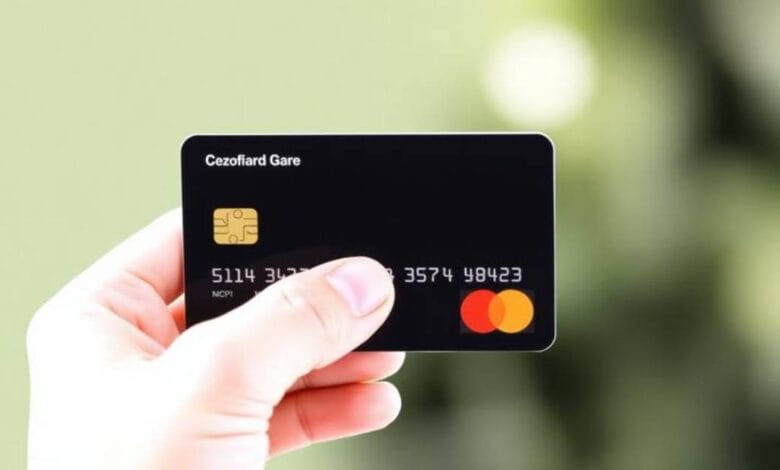
Virtual cards have become increasingly popular because they allow users to make online purchases with added privacy and security. One of the most common topics people search for is Ezzocard balance, usually because they want to understand how virtual card balances work, how they are managed, and why they matter.
This guide explains everything in clear, simple, general information terms, making it suitable for learners, researchers, and everyday readers. You’ll discover how virtual card balances function, why maintaining them matters, tips for security, common issues people face, and how to avoid mistakes.
No technical jargon.
No complex banking terminology.
Just helpful, safe, factual information.
What Ezzocard Balance Refers To
When people mention ezzocard balance, they usually mean:
- The remaining amount of funds available on a specific virtual card.
- The current usable limit after authorizations or pending transactions.
- Information related to purchase capability, such as available vs. blocked amounts.
- Status indicators such as active, expired, or temporarily restricted.
It is simply the real-time amount a virtual card can use for transactions, similar to prepaid or single-use digital cards.
How Virtual EzzoCard Balances Work

Virtual card balances follow the same core principles as any stored-value system:
A. A fixed amount is assigned
This could be small or large, depending on the card type.
B. Every transaction deducts from the total
Examples include:
- Online purchases
- Subscription charges
- Authorizations
- Holds placed by merchants
C. Pending vs. completed transactions
Balances can temporarily reduce before final posting.
D. Balance cannot go negative
Most virtual cards are preloaded and cannot exceed the available amount.
Understanding this helps users avoid unexpected declines or confusion around remaining funds.
Why Balance Accuracy Matters
Knowing the true balance is important for several reasons:
1. Preventing Failed Transactions
Declines often happen because:
- The merchant adds tax
- The total is higher than expected
- A pre-authorization is applied
2. Subscription Management
Many online services use recurring billing models. Users often check balance availability to ensure they understand charges.
3. Fraud Monitoring
Unexpected deductions can signal:
- Unauthorized attempts
- Testing charges
- Billing errors
4. Budgeting
Virtual cards are commonly used as a budgeting tool because they offer:
- Spending control
- Transaction visibility
- A capped amount
Types of Virtual Card Balances
Virtual card providers usually offer different balance types:
A. Preloaded Balance
A fixed amount is initially loaded onto the card.
B. Remaining Usable Balance
The amount available after deductions.
C. Authorized or Pending Balance
Temporary merchant holds that reduce the usable amount until resolved.
D. Expired Balance
If the validity period ends, remaining funds may become inaccessible based on card rules.
E. Blocked or Restricted Balance
Occurs when suspicious activity triggers a temporary hold.
Each type plays a role in how the card behaves during transactions.
How Virtual Card Providers Typically Display Balances
Most virtual card platforms display balances using:
1. Secure Online Dashboards
A private dashboard often shows:
- Exact available amount
- Pending charges
- Transaction history
- Card status
2. Transaction Logs
These help users track:
- Where funds were used
- When charges were posted
- Whether a deduction is final or pending
3. Real-Time Updates
Balance updates may vary depending on:
- Merchant speed
- Authorization rules
- Payment processors
4. Notification Systems
Some platforms provide:
- Email alerts
- SMS notifications
- Push updates
These add an additional layer of awareness and security.
Common Reasons Users Check Balances

✔ To confirm if the card can complete a purchase
✔ To track spending
✔ To review unexpected deductions
✔ To confirm expiration or card status
✔ To check if subscriptions have been billed
✔ To verify successful payments
Regardless of the purpose, balance checking is one of the most frequent actions for virtual card users.
Factors That Affect Balance Updates
Balance updates are not always instant. Several things can cause delays:
1. Merchant Hold Policies
Hotels, app stores, and subscription services may place a temporary hold before final billing.
2. Currency Conversion
If a purchase occurs in a different currency:
- Conversion fees
- Exchange rate differences
- Temporary pre-authorizations
…may affect displayed amounts.
3. Time Zones
Transactions may appear at different times depending on processing centers.
4. System Maintenance
Platforms occasionally update systems, which may temporarily delay balance refreshes.
5. Third-party Payment Processing
Middle-layer processors (e.g., gateways, merchant acquirers) can affect speed.
Security Practices for Handling Card Balances
Virtual cards are popular partly because of their security features, but users still need to handle them responsibly.
Recommended General Security Tips
- Avoid sharing card numbers or screenshots.
- Keep login information private.
- Use strong passwords and two-factor authentication where available.
- Monitor unusual deductions and report concerns.
- Avoid suspicious websites.
- Always log out of shared devices.
These practices are universally advisable for handling any digital financial data.
Pros and Cons of Virtual Cards
A balanced view helps build trust and sets realistic expectations.
Pros
✔ Enhanced Privacy
Virtual cards provide extra separation between primary financial accounts and online merchants.
✔ Better Security
Each card has controlled limits.
✔ Useful for Budget Control
Preloaded amounts help prevent overspending.
✔ Ideal for Single Purchases
Great for one-time payments or test transactions.
✔ Low Exposure Risk
Even if details are compromised, damage is limited to the card balance.
Cons
✘ Not Suitable for Large Financial Needs
Because limits are fixed.
✘ Some Merchants Decline Virtual Cards
Especially those requiring identity verification or physical presence.
✘ Holds May Temporarily Reduce Balance
This sometimes confuses users.
✘ No Reload Option on Some Cards
Many virtual cards are single-use or fixed-value.
✘ Balance Expirations Vary by Provider
Time limits can differ, requiring careful attention.
Troubleshooting Balance-Related Issues
Below are general informational explanations for common card balance scenarios.
A. Balance Shows Lower Than Expected
Possible reasons:
- Merchant hold
- Currency conversion
- Pre-authorization
- Duplicate authorization (temporary)
B. Transaction Declined Despite Enough Balance
Reasons may include:
- The merchant requires a higher temporary authorization
- Address mismatch
- Card type restrictions
- Wrong region or unsupported currency
C. Pending Charges Not Releasing
This happens when:
- The merchant has not yet finalized the transaction
- Payment processors require more time
- The authorization has not expired
D. Card Appears Inactive
Possible explanations:
- Pre-set expiration
- Temporary security lock
- System maintenance
Best Practices for Managing Digital Card Balances
✔ Keep track of spending
✔ Use cards only on trustworthy websites
✔ Monitor statement logs regularly
✔ Understand each merchant’s billing behavior
✔ Use cards with appropriate amounts for each purchase
✔ Avoid storing card info in unsecured apps or browsers
✔ Maintain awareness of balance expirations
Following these practices contributes to safer and more predictable digital card usage.
Real-Life Situations Where Balance Knowledge Helps
1. Online Shopping
Knowing the balance ensures a smooth checkout.
2. Subscriptions & Trials
Many people use virtual cards for trials because they offer spending boundaries.
3. Digital Advertising Payments
Certain marketers use virtual cards to manage controlled budgets.
4. Travel Bookings
Hotels and car rentals often place temporary authorizations, which makes balance awareness essential.
5. App Store Purchases
Small repeated charges can reduce the balance quickly without users noticing.
Myths People Believe About Virtual Card Balances
1: Balances update instantly every time
Not always do processor delays exist.
2: All virtual cards can be reloaded
Many are single-use or fixed-value.
3: Virtual cards work on every website
Merchant restrictions vary.
4: Holds are errors
They are a normal part of authorization.
5: Balance won’t change until a transaction posts
Pending transactions still reduce available funds.
Future Trends in Digital Card Balance Systems
✔ Real-time notifications
✔ AI-driven fraud detection
✔ Faster processing systems
✔ Increased virtual card acceptance
✔ More transparent balance tracking
✔ Encryption and security improvements
The future looks promising for digital payment systems with safer and more user-friendly features.
Conclusion
Understanding ezzocard balance is important for anyone who wants to navigate virtual cards confidently. While virtual cards offer privacy, security, and spending control, they require awareness of how transactions, holds, and balance updates work.
This guide covered:
- How virtual card balances operate
- Why accuracy matters
- Pros and cons
- Common issues and solutions
- Security best practices
- Future payment trends
If you’re researching virtual cards or simply want to understand how digital balances work, staying informed is the best way to avoid confusion, declined payments, or misunderstandings.
Feel free to ask questions or request more topics. I’m here to help!
FAQs About Ezzocard Balance
Q1. What does ezzocard balance mean?
Ans: It refers to the current amount of funds available on a specific virtual card.
Q2. Why does my balance show less than expected?
Ans: This commonly occurs due to merchant holds, temporary authorizations, or currency conversions.
Q3. Do virtual card balances update instantly?
Ans: Not always. Processing times may vary by merchant and payment network.
Q4. Can virtual cards expire?
Ans: Yes. Many have expiration dates depending on the provider’s rules.
Q5. What affects the available vs. actual balance?
Ans: Pending charges, authorizations, and holds reduce available funds until fully processed.
Q6. Why do some merchants decline virtual cards?
Ans: Some services require extra verification or do not accept prepaid-style cards.
Q7. Do subscriptions affect card balances?
Ans: Yes. Trial fees, renewals, or recurring charges can reduce available funds.
Q8. Are virtual card balances secure?
Ans: Virtual card systems typically include strong security measures, but users should still follow safe digital practices.







2 Comments