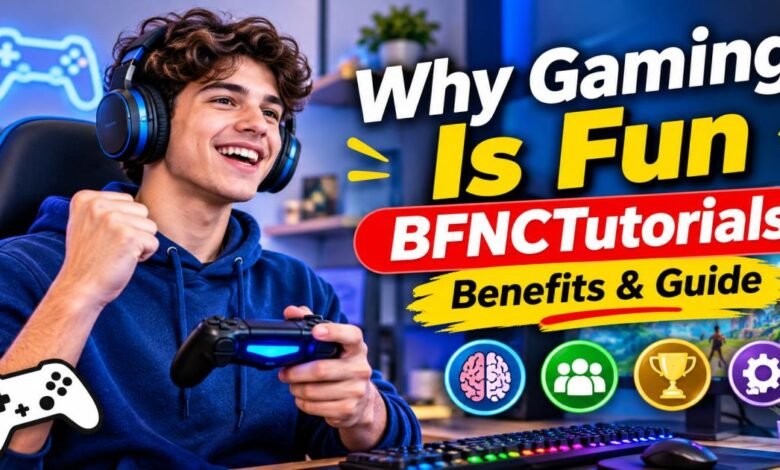
People enjoy video games because games put you in the driver’s seat, set clear targets, reward steady effort, and connect you with other players. You do not sit back and watch a pre-set plot unfold; you test choices, solve problems on the spot, and see what happens next. On BFNCTutorials, that enjoyment grows even stronger when clear guides explain tricky mechanics before frustration sets in.
Our central perspective throughout this guide is simple: turning confusion into clarity is what keeps a game fun over the long haul. Players rarely quit a game because they dislike the idea of playing; they quit when unclear rules, clunky controls, or sudden difficulty spikes block their progress.
What is Why Gaming Is Fun BFNCTutorials?
The phrase why gaming is fun bfnctutorials points to two sides of the same coin: what makes play engaging in the first place, and how clear instructions help players reach that sweet spot faster. Think about trying to learn a complex city strategy game or a fast co-op shooter without a map. Guessing every setting or losing three rounds before spotting a simple rule drains energy fast.
BFNCTutorials serves as a practical hub for walkthroughs, genre basics, setup advice, and skill tips aimed at everyday players. Within that library, bfnctutorials game tutorials by befitnatic breaks down builds, controls, and match habits into plain steps so you spend your evening playing rather than staring at a pause screen.
Clear tutorials help players enjoy games by showing how a system works rather than forcing blind trial and error. Once again, turning confusion into clarity lets you read situations on your own, test smart adjustments, and feel steady progress instead of guesswork.
In this guide, you will see why games hold attention, how how gaming affects the brain bfnctutorials links to focus and mood, how pc gaming bfnctutorials and online gaming bfnctutorials shape the experience, and how balanced habits keep play healthy.
Why is Gaming So Fun and Entertaining?
Games spark enjoyment by pairing clear goals with immediate feedback. A well-paced puzzle room or boss encounter typically sets a challenge that feels tough at first, yet fair enough that your next attempt feels sharper.
The excitement of challenges and achievements
Picture a tight platforming jump or a final match point in a competitive round. Your pulse rises, you watch the timing closely, and you hit the right sequence. Earning a win through your own focus feels far more rewarding than watching someone else pull it off.
Exploring virtual worlds and discovering new experiences
Open maps, hidden caves, and unfamiliar settings tap into plain curiosity. Many players spend extra hours walking past the main quest just to see what sits over the next ridge or behind a locked door.
Competition, rewards, and personal progress
Clear milestones—unlocking a new tool, clearing a higher tier, or beating your own lap time—give players visible proof of growth. Even small wins on average keep motivation high because you see a direct link between effort and result.
Interactive stories and player choices
Story-driven games let you steer outcomes rather than simply observe them. Choosing who to trust, how to handle a faction, or which upgrade path to take makes the world feel responsive to your judgment.
The satisfaction of learning new skills
Every game asks you to pick up fresh habits, from reading enemy wind-ups to managing scarce resources. Watching clumsy early moves turn into smooth execution sits right at the heart of gaming bfnctutorials.
How Gaming Affects the Brain: Benefits and Possible Effects
Looking closely at how gaming affects the brain bfnctutorials shows why active play feels so absorbing. Your eyes track movement, your working memory holds rules and cooldowns, and your hands respond within fractions of a second.
How video games engage the brain
Games lock in attention through clear targets and fast feedback loops. When you spot an opening and act on it, reward and learning circuits fire together, keeping your mind locked onto the task at hand.
Gaming, memory, attention, and problem-solving
Turn-based tactics, logic puzzles, and base-building games push you to plan ahead and weigh trade-offs. Over time, practicing these steps supports selective attention and flexible problem-solving inside similar game tasks.
Decision-making and reaction-time skills
Fast-paced action and sports titles demand quick calls under pressure, such as dodging an attack, passing early, or falling back to regroup. Regular practice sharpens visual scanning and choice-reaction speed within those environments.
Emotional engagement and stress relief
Focused play gives your mind a clean break from everyday worries by offering a self-contained problem to solve. A funny round with friends or a clean victory can lift your mood noticeably after a long workday.
Possible negative effects of excessive gaming
The same feedback loops that draw you in can backfire during marathon sessions. Playing late without breaks often leads to mental fatigue, crankiness, or trouble winding down for sleep.
The Social Benefits of Online Gaming
For millions of players, gaming is a shared social space rather than a solo retreat. Online gaming bfnctutorials highlights how matches, chats, and lobbies help friends stay connected across busy schedules and distance.
Connecting with friends and other players
Busy adults and students often struggle to line up free time. Logging into a co-op session or a casual match gives friends an easy habit to talk, laugh, and catch up without stiff small talk.
Multiplayer games and teamwork
Squad-based modes reward coordination over solo heroics. When two or three teammates cover angles, share supplies, and time a push together, the victory feels shared.
Building gaming communities
Forums, group chats, and guide threads around popular games turn strangers into regulars. Players swap loadouts, explain tricky mechanics, and welcome newcomers who want to learn the ropes.
Communication and cooperation skills
Calling out enemy positions, dividing tasks, and staying calm after a bad round all demand clear communication. Good teammates learn to speak plainly, listen fast, and adjust plans without blame.
Making friends through shared gaming interests
Shared taste in games makes starting a conversation easy. Over months of playing together, regular squadmates often become real-life friends who share humor and routines far beyond the screen.
PC Gaming BFNCTutorials: Why Playing on a PC Is Enjoyable
A major appeal of pc gaming bfnctutorials comes down to control and freedom. A desktop or gaming laptop lets you tune visuals, input devices, and game libraries to fit your exact taste.
What makes PC gaming different
A PC handles everyday work and study alongside gaming, and its game catalog spans classic releases, indie experiments, and major titles. You can buy from multiple stores, install mods, and adjust files directly.
Graphics, performance, and customization
On a PC, you can balance sharp visuals against smooth frame rates—often targeting 60 FPS or higher depending on your monitor and graphics card. Tweaking settings lets you match motion smoothness to what feels best to your eyes.
Keyboard and mouse controls
Many players favor a mouse for snappy camera aim paired with dozens of keys right under their left hand. Once keybinds become habit, inventory management, hotkeys, and movement feel fast and exact.
Popular PC gaming genres
Strategy titles, deep role-playing games, shooters, city builders, and simulation games thrive on PC. Because many of these games feature detailed menus, hotbars, or large maps, desktop controls fit them naturally.
Advantages and limitations of PC gaming
The biggest upsides are custom settings, upgrade options, frequent digital sales, and massive genre variety. The main trade-offs are higher upfront hardware costs, occasional driver updates or patch bugs, and more menu tweaking than a console setup.
Online Gaming BFNCTutorials: Features That Make Games More Enjoyable
Modern multiplayer games include features designed to keep matches varied and accessible. Reviewing online gaming bfnctutorials shows how thoughtful design shapes whether online sessions feel welcoming or tense.
Multiplayer and competitive experiences
Competitive modes pit your mechanics and game sense against real people. Because human opponents adapt unpredictably, no two matches unfold the exact same way.
Online tournaments and gaming events
Seasonal events, community brackets, and limited-time modes give players fresh goals to chase. They break up routine grinding and spark lively discussions across the community.
Cooperative gameplay and shared challenges
Co-op missions, boss raids, and survival runs unite players against tough odds. Guiding a newer teammate past a tricky mechanic often feels just as rewarding as clearing the stage yourself.
Cross-platform gaming experiences
Cross-play lets friends on PC, consoles, and sometimes mobile play together in the same lobby. That feature removes an old roadblock: needing the exact same hardware brand just to team up.
Online gaming safety and responsible play
Smooth online play also relies on basic account care and clear boundaries. Strong passwords, two-factor logins, privacy controls, and quick mute buttons keep sessions calmer and safer.
How BFNCTutorials Game Tutorials by Befitnatic Help Players
Dropping into an unfamiliar game without guidance can feel like reading a manual mid-sprint. BFNCTutorials game tutorials by befitnatic focuses on practical steps so players grasp core systems faster.
Understanding BFNCTutorials game tutorials
These guides cut straight to what changes results in a match or campaign. Instead of empty hype, they spotlight build synergies, resource priorities, and smart positioning.
Beginner-friendly gaming instructions
First-time players often trip over unfamiliar terms, crowded menus, or early resource traps. Plain-spoken starter advice helps newcomers learn the loop without feeling lost.
Step-by-step walkthroughs and game strategies
Walkthroughs shine when a quest objective confuses you or a tough boss punishes sloppy habits. Seeing how mechanics connect helps you plan your next move deliberately—once again turning confusion into clarity so you can play with confidence.
Learning controls, missions, and game mechanics
Every genre hides details like stamina recovery, armor scaling, or objective timers. Spotting those rules early saves hours of wasted effort.
How tutorials help reduce gaming frustration
Repeating the same mistake without knowing why drains enjoyment fast. A clear guide pinpoints the bottleneck, shows the fix, and gets you back into the game with a working plan.
Game Guides BFNCTutorials: How to Improve Your Gaming Skills
Reading a guide is only step one; putting it into practice a little at a time builds real skill. Game guides bfnctutorials work best when you treat them like a steady coach rather than a quick cheat sheet you forget in five minutes.
Choosing the right game guide
Match the guide to your current sticking point and the game’s latest patch or season. Outdated tips or heavy theory can slow you down if you still need basic habits locked in.
Understanding beginner, intermediate, and advanced guides
Beginner guides cover movement, controls, and basic survival or scoring loops. Intermediate and advanced guides focus on map awareness, build counters, timing, and team spacing.
Learning strategies through practical examples
Concrete examples—such as when to hold high ground, how to chain two skills, or where to set up defense—stick far better than abstract rules. Seeing cause and effect in action makes the strategy click.
Improving gameplay through regular practice
Work on one habit per session instead of overhauling everything at once. Short, focused reps help new instincts hold up when pressure rises.
Avoiding common gaming mistakes
Frequent slip-ups include chasing flashy stats over safe positioning, ignoring the minimap or status bars, and pushing fights without backup. Catching those habits early cuts down avoidable losses.
Tutorial for PC Games BFNCTutorials: A Beginner’s Guide
If you are new to playing games on a computer, a simple tutorial for pc games bfnctutorials removes the guesswork from getting started. Most setup steps take only a few minutes when done in order.
Finding suitable PC game tutorials
Pick beginner-friendly guides that walk through settings, controls, and early missions in plain language. Stay focused on your chosen genre so extra tips do not overwhelm you.
Installing and setting up PC games
Use a trusted game store or launcher, install the game onto a fast drive—an SSD usually cuts load times noticeably—and let updates finish before you launch. Starting on the current version avoids old bugs.
Understanding keyboard and mouse controls
Spend five or ten minutes in a training area or opening stage testing movement, mouse sensitivity, and keybinds. Pick a layout that feels natural to your hands rather than copying someone else blindly.
Adjusting graphics and performance settings
Start on medium or balanced presets and watch how smoothly the game runs during busy action. Lowering heavy shadow or post-processing settings first usually boosts frame rates while keeping visuals crisp.
Troubleshooting common PC gaming problems
If a game stutters, freezes, or fails to open, update graphics drivers, run file verification in your launcher, and close heavy background apps. Jotting down your best settings saves time after future updates.
Different Types of Games and Why People Enjoy Them
Players pick different genres based on the mood, pace, or challenge they want on a given day.
| Game Genre | What Draws Players In | Best For |
| Action & Adventure | Fast momentum, exploration, combat timing, and discovery | Players who want immediate excitement and world exploration |
| Strategy & Simulation | Planning ahead, resource management, and seeing systems respond | Players who enjoy thoughtful decisions and long-term setups |
| Sports & Racing | Crisp reflexes, mastery of tracks or plays, and head-to-head tension | Players who like clear rules, short matches, and measurable improvement |
| Puzzle & Educational | Clever logic, “aha” moments, and calm mental focus | Players who enjoy pattern solving at their own pace |
| Role-Playing & Multiplayer | Character growth, rich lore, and shared squad or community moments | Players who love progression, storytelling, or playing with others |
Is Gaming Good for Mental Health and Personal Development?
Gaming is neither a cure-all nor an automatic harm; its real effect depends on how you play, why you play, and how it fits into your week. Used thoughtfully, it supports a balanced routine.
Gaming as a recreational activity
Everyone needs low-pressure downtime between work, school, and family duties. A game gives you an active hobby to unwind without feeling like you are staring blankly at a wall.
Creativity and critical thinking
Sandbox builders, custom editors, and tactical puzzles invite creative problem-solving and experimentation. Testing unusual ideas and seeing what works builds flexible thinking.
Relaxation and mood improvement
An absorbing hobby can shift attention away from daily stress and give you a sense of competence. Even a short, enjoyable session can reset your headspace before tackling the rest of your day.
Gaming as a way to connect with others
For people who feel drained by noisy crowds or live far from close friends, online games offer a low-pressure way to talk and cooperate. Shared goals often make conversation feel natural.
Balancing gaming with everyday responsibilities
Gaming supports personal growth best when it fits around sleep, work, school, and relationships rather than crowding them out. When core duties stay on track, play feels relaxing instead of guilty.
Possible Disadvantages of Gaming and How to Avoid Them
Spotting common pitfalls early makes it much easier to keep gaming enjoyable and healthy over time. Simple habits stop minor slip-ups from turning into bigger problems.
Excessive screen time
Hours slip by fast when a game offers “just one more round” or endless side tasks. Picking a clear stopping point before you start keeps sessions manageable.
Sleep disruption and physical inactivity
Playing late into the night can push back bedtime and cut into rest, while long stretches in one chair leave your neck, back, and eyes stiff. Stopping early for wind-down time and stretching helps right away.
Gaming addiction and unhealthy habits
Watch for warning signs like feeling irritable when unable to play, skipping duties, or chasing losses out of anger rather than enjoyment. Taking honest breaks and resetting your routine helps bring balance back.
Online harassment and privacy risks
Voice chat and public lobbies can occasionally bring rude remarks, spam, or oversharing risks. Keeping personal details private and muting disruptive players protects your peace of mind.
Practical tips for healthy gaming habits
- Set a timer or stop at a natural checkpoint so sessions do not run late into the night.
- Stand up, drink water, and rest your eyes every hour or two.
- Keep sleep, exercise, work, and offline relationships as non-negotiable daily anchors.
- Choose who you play with carefully and use privacy settings so your space stays welcoming.
Tips for Making Gaming More Fun and Enjoyable
A few practical adjustments can refresh a stale gaming routine and bring back the spark of discovery.
Choose games that match your interests
Do not force yourself through a hyped title just because everyone else talks about it. Pick themes, pacing, and mechanics that match what you actually like.
Set achievable gaming goals
Instead of stressing over top ranks right away, set small targets like clearing a tough stage, learning a new role, or finishing a story chapter. Small wins keep steady momentum going.
Explore different gaming genres
Switching from a high-tension shooter to a calm puzzle or story game can clear your head. Trying new genres often uncovers mechanics you never knew you enjoyed.
Play with friends and gaming communities
Sharing laughs, trading tips, or tackling co-op goals with others adds a human spark that solo play sometimes misses. Helpful communities also make learning new games much smoother.
Use tutorials without losing the joy of discovery
Check a guide when you hit a wall, learn a core rule, or want to see why a build works—then leave room to test ideas on your own. Finding your own solutions is still half the fun, and turning confusion into clarity works best when you stay curious.
Take regular breaks and maintain balance
Stepping away when you feel tilted or tired keeps gaming feeling like a choice rather than a chore. Returning rested usually helps you play sharper anyway.
Why Gaming Is Fun BFNCTutorials Compared With Traditional Entertainment
Movies, TV shows, and books have their own charm, yet games offer a very different kind of experience. Comparing them helps explain why gaming is fun and why BFNCTutorials connects with so many players across ages.
Gaming versus watching movies and television
A movie or TV episode follows a fixed script at a set pace from start to finish. A game puts you inside the action, letting you pause, explore, fail, and try another path.
Interactive entertainment versus passive entertainment
Watching is mostly receptive—you take in a story or scene as it unfolds. Gaming is active—your timing, choices, and decisions directly shape what happens next.
Player freedom and personal achievements
In traditional shows, characters earn the victory on screen. In games, you earn the clear, the puzzle solve, or the clutch play through your own effort and judgment.
Social experiences and community participation
While viewers talk about shows and movies after watching, gamers can team up, compete, or swap strategies together in real time. That shared action builds distinct memories.
What makes gaming a unique hobby
Gaming combines storytelling, skill building, interaction, and community in one medium. Paired with clear guides like BFNCTutorials, it stays welcoming whether you have ten minutes to spare or a quiet weekend afternoon.
Final Thoughts on Why Gaming Is Fun BFNCTutorials
At bottom, gaming is fun because it invites you to participate, learn, explore, and connect rather than sit on the sidelines. Whether you enjoy solo adventures, pc gaming bfnctutorials setups, or online gaming bfnctutorials matches with friends, good play feels engaging and uplifting.
Steady habits keep that enjoyment healthy over time by protecting your sleep, focus, and daily life. When you pair smart balance with practical walkthroughs and game guides bfnctutorials, you spend less time stuck and more time enjoying the game—keeping turning confusion into clarity at the center of how you play.
Pick games at your own pace, stay curious, and keep gaming in a healthy, balanced spot in your routine.
Frequently Asked Questions (FAQs)
Why is gaming so fun for people of all ages?
Gaming adapts to different skill levels and tastes by offering clear goals, immediate feedback, and room to explore. Children, adults, and older players can all find games that fit their pace, whether they want quick puzzles, rich stories, or social play.
How does gaming affect the brain?
Gaming engages attention, working memory, visual tracking, and decision-making as you react to changing situations. It can also lift mood and ease stress during moderate play, though overly long sessions can cause fatigue or sleep trouble.
Is gaming good for mental health?
Gaming can serve as a helpful recreational outlet that offers relaxation, creative problem-solving, and social connection when kept in balance. Problems are more likely when gaming crowds out sleep, daily responsibilities, or healthy coping habits.
What are the main benefits of online gaming?
Online gaming makes it easy to connect with friends, team up toward shared goals, and join communities around favorite games. It can also strengthen communication and teamwork skills when players coordinate and help one another.
Can PC gaming improve problem-solving skills?
Yes, especially in strategy, puzzle, simulation, and role-playing games that ask you to manage resources, test tactics, and adapt to new challenges. Even tuning graphics settings or troubleshooting a game smoothly can build practical step-by-step problem-solving habits.